Best Remodeling Contractor: Modernize Your Home With Talented Design and Quality Craftsmanship
Home remodeling can greatly enhance both aesthetics and functionality. A highly-regarded renovation specialist plays a crucial role in this transformation. Their expertise integrates innovative design with skilled workmanship, ensuring that each project meets the property owner's goals. However, not all builders are identical. Understanding the key qualities and processes involved is essential for a favorable result. What should homeowners evaluate when embarking on this endeavor?
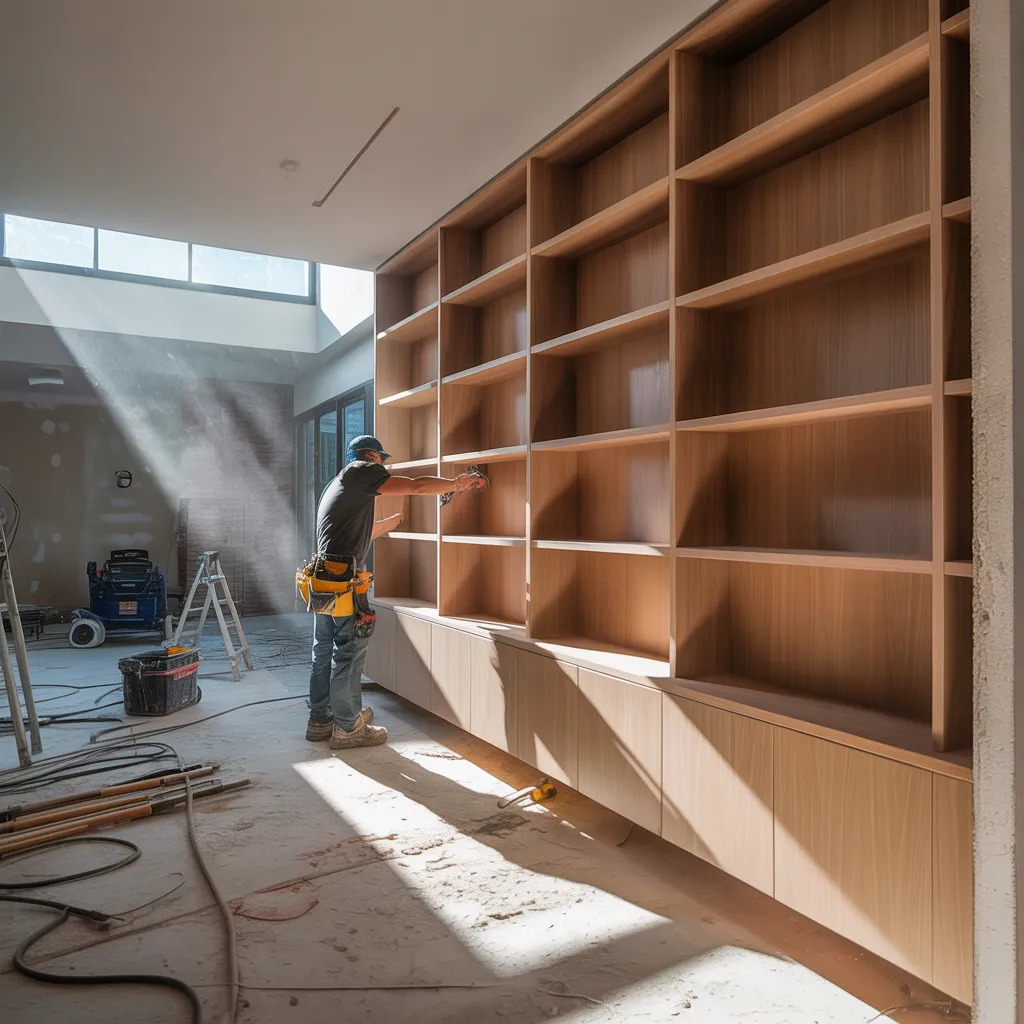
The Significance of Hiring a Top-Rated Remodeling Contractor
When beginning a renovation undertaking, the choice to hire a highly-regarded contractor can significantly affect the outcome. A skilled professional has the knowledge and background necessary to manage the intricacies of home renovations. They can offer important insights into design choices, products, and schedules, guaranteeing that the project complies with the homeowner's vision and financial plan.
Excellent service professionals generally present strong references and a comprehensive record of work, illustrating their former projects and customer fulfillment. This prestige can foster confidence in homeowners, diminishing anxiety associated with major renovations. In addition, a well-known professional probably maintains proven connections with suppliers and subcontractors, which can offer more favorable pricing and quality of materials.
Ultimately, selecting a top-rated renovation specialist not only improves the potential for a prosperous project but also creates a cooperative setting where thoughts and imagination thrive, resulting in a remodeled home that represents the homeowner's goals.
Must-Have Qualities to Assess in a Home Improvement Contractor
Selecting the right remodeling contractor transcends just examining reviews and portfolios; it requires determining specific qualities that guarantee a positive working relationship. First, a reputable contractor must possess excellent interpersonal abilities, guaranteeing that they can express concepts effectively and listen to client requirements. Afterward, expertise in the specific type of remodeling project essential is essential, as it indicates a proven track record of excellent craftsmanship. Additionally, a good contractor must be properly certified and covered, providing assurance regarding risk protection and security. Reliability is another critical quality; a contractor should adhere to schedules and costs, reducing unforeseen setbacks. Finally, a solid portfolio displaying diverse completed projects reflects an ability to accommodate different aesthetics and client desires. By concentrating on these qualities, homeowners can choose wisely when selecting a renovation specialist, ultimately resulting in a positive residential renovation.
Sought-After Home Improvement Options to Examine
Homeowners regularly encounter a wide array of options when assessing home renovation projects, each offering unique benefits and enhancements. Among the most in-demand projects are kitchen renovations, which can substantially improve practicality and visual charm. Refreshing countertops, cabinets, and appliances not only enhances the space but also increases the property value of the home.
Bathroom renovations are another well-liked selection, establishing a sanctuary for rest and self-care. Homeowners commonly prefer updated fixtures, elegant tiling, and better layouts to improve comfort.
Additionally, basement finishing has become popular as a way to increase usable area, developing flexible spaces for entertainment or home offices.
Exterior improvements, such as deck installations or grounds work, also remain in demand, allowing dwellers to maximize their outdoor enjoyment. Each of these works not only modifies the living environment but can also produce a substantial return on investment.
The Design Journey: Cooperating With Your Contractor
The development process in remodeling entails a crucial cooperative effort between the homeowner and the contractor. During the preliminary meeting, suggestions and objectives are presented, setting the groundwork for the project. After this, design cycles transpire, enabling changes and conclusively moving toward approval before the build phase starts.
Preliminary Consultation Session
How does an opening consultation session create the framework for a effective renovation? This critical opening move permits homeowners and contractors to establish a mutual understanding of the project's vision and goals. During this meeting, clients convey their ideas, needs, and budget, while contractors examine the space and share perspective on feasibility. Effective communication is vital, as it fosters teamwork and trust between both entities. Contractors may also present portfolios of prior projects, offering inspiration and highlighting their proficiency. By addressing any concerns and talking about timelines, detailed guide the initial consultation lays the groundwork for a productive relationship. Ultimately, this encounter is vital for aligning expectations and confirming that the remodeling project begins on a strong base.
Design Refinement and Approval
As the design process moves forward, collaboration between homeowners and contractors becomes imperative for refining the project vision. This phase prioritizes open communication, allowing both parties to express ideas, preferences, and concerns. Contractors share initial design concepts based on the homeowner's input, which triggers iterative revisions. Each design iteration serves as a foundation toward the final layout, including feedback and making necessary adjustments. Homeowners should feel motivated to express their thoughts, ensuring the design meets their aspirations. Approval of the final design marks a important milestone, solidifying the project blueprint. This cooperative effort fosters a sense of ownership and satisfaction, paving the way for successful implementation and ultimately turning the home into a personalized living space.
Grasping the Costs of Home Remodeling
Comprehending the monetary consequences of home remodeling is important for any homeowner planning a project. Budgeting properly requires not only taking into account the main expenses but also identifying hidden expenses that may occur during the remodeling process. Knowledge of these monetary factors can help guarantee a smoother and more prosperous remodeling experience.
Managing funds for Your assignment
Budgeting for a home renovation project requires careful consideration of various costs involved. Homeowners should start by establishing the extent of the project, which will greatly impact the total budget. Key expenses typically encompass materials, labor, permits, and design fees. It is essential to research and obtain quotes from several contractors to create a practical estimate. Additionally, homeowners should think about whether they will complete any of the work themselves, which can lower labor costs. Creating a contingency fund is also wise, as it enables for unexpected expenses that may occur during the remodeling process. By thoroughly evaluating these factors, homeowners can develop a all-encompassing budget that aligns with their financial capabilities and project goals.
Overlooked Fees To Know About
While property owners often concentrate on the significant costs of a remodeling project, they may overlook several hidden costs that can significantly impact the overall budget. These expenses can encompass licenses and evaluations, which vary by area and renovation scope. Unexpected building problems, such as deterioration or obsolete electrical systems, may also occur throughout remodeling work, requiring extra money. Property owners should also consider the expenses for interim accommodations if the project requires extensive work. In addition, alterations to plans throughout the project can result in increased expenses, as can the choice of premium finishes. Finally, renovation aftermath expenses, such as new furnishings or landscaping, can additionally strain the budget. Understanding of these concealed costs is crucial for effective financial planning.
Tips for a Thriving Home Remodeling Project
A prosperous home renovation project is founded on detailed planning and open communication. Homeowners are advised to start by setting a practical budget and timeline, anticipating potential delays and unexpected costs. Engaging a reputable remodeling contractor is important; they bring expertise and can offer insights that save time and money.
Owners should also develop a comprehensive design blueprint, incorporating materials and finishes, to ensure a unified look. Ongoing consultations with the contractor help maintain alignment on progress and address any concerns in a timely manner. Communication should continue to be transparent and engaged, fostering a collaborative atmosphere.
Additionally, it's wise to prepare for interruptions by establishing a temporary living space, particularly for larger projects. In the end, patience is key; renovations can be stressful, but a constructive mindset will contribute to a seamless process and satisfaction with the final outcome. By adhering to these tips, homeowners can improve their renovation experience and achieve their desired results.
Commonly Asked Queries
How Long Should You Expect a Standard Remodeling Project to Require?
A typical remodeling project can take anywhere from a few weeks to several months to finish. Elements influencing the timeframe consist of scope of work, intricacy, and the efficiency of the contractor and trades involved.
What Types of Guarantees Do Home Renovation Contractors Provide?
Home renovation builders typically offer warranties on workmanship, materials, and appliances. These warranties can range from one year to a lifetime, depending on the contractor and specific project details, offering assurance to homeowners regarding excellence and longevity.
How Can I Confirm a Contractor's License and Insurance?
To confirm a contractor's credentials and coverage, one can examine state regulatory agencies and online databases. Additionally, obtaining copies of insurance policies directly from the contractor guarantees coverage is valid and fulfills required standards.
What Could I Do if I'm Dissatisfied With the Work?
Should displeasure develop, the homeowner must initially voice concerns directly to the contractor. Log issues, examine the contract, and work toward friendly settlement. If remaining unresolved, explore mediation or contacting local regulatory authorities for additional support.
Are There Financing Options Available for Home Remodeling Projects?
Many home improvement professionals provide multiple financing options, including personal credit, home equity lines of credit, and payment plans. House owners should explore these alternatives to find a solution that fits their financial situation and renovation goals effectively.